

Silicon Valley RCFL

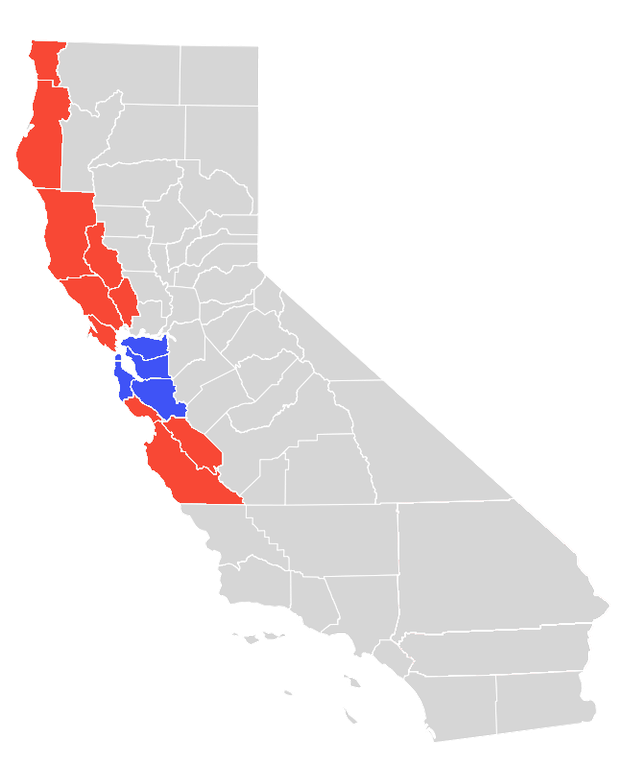
 The SVRCFL provides assistance primarily to law enforcement agencies located within Alameda, Contra Costa, San Francisco, San Mateo, and Santa Clara counties. The Local Executive Board has authorized the RCFL Director to accept significant cases from any agency in the Northern District of California on a case-by-case basis.
SVRCFL
4600 Bohannon Drive
Suite 200
Menlo Park, CA 94025
Participating Agencies
The participating agencies contribute personnel and resources to staff and maintain the operations of the SVRCFL. While each of the participating agencies’ missions may differ, each of them shares the common goal of building law enforcement’s digital forensics capacity both in Northern California and nationwide. The RCFL Program is grateful for their dedication and commitment to fulfilling this goal.